Challenging gender and SRHR stereotypes

Challenging gender and SRHR stereotypes

IPPF Africa Region

IPPF Africa Region

IPPF Africa Region

A youth campaign using storytelling, humor and intergenerational dialogue to break the silence around taboo conversations on gender, sexuality and sexual and reproductive health.

Role

Creative Lead / Art Director

LOCATION

Sub-Saharan Africa

FORMAT

Participatory Design Process,
Prototyping & IEC Toolkit Development

01

Challenge

Challenge

Across Sub-Saharan Africa, conversations around sexual and reproductive health and rights are often constrained by stigma, misinformation and cultural taboos. Young people—especially women, people with disabilities and LGBTQ+ communities—face barriers to education and open dialogue, reinforcing harmful stereotypes. IPPF Africa Region wanted to empower young people to speak openly about SRHR and gender equality while promoting inclusion and self-agency.

Across Sub-Saharan Africa, conversations around sexual and reproductive health and rights are often constrained by stigma, misinformation and cultural taboos. Young people—especially women, people with disabilities and LGBTQ+ communities—face barriers to education and open dialogue, reinforcing harmful stereotypes. IPPF Africa Region wanted to empower young people to speak openly about SRHR and gender equality while promoting inclusion and self-agency.

Launch Video

Daring and unapologetic, this video challenges stereotypes and reminds viewers that empathy isn’t radical...it’s common sense.

02

Approach

Approach

We created Common Senses, a youth-driven digital movement that challenged SRHR myths through empathy, humor and shared humanity. The campaign launched across Sub-Saharan Africa in English, French and Portuguese, using storytelling films, influencer activations and interactive digital content to invite young people to question assumptions about gender and sexuality.

We created Common Senses, a youth-driven digital movement that challenged SRHR myths through empathy, humor and shared humanity. The campaign launched across Sub-Saharan Africa in English, French and Portuguese, using storytelling films, influencer activations and interactive digital content to invite young people to question assumptions about gender and sexuality.

A Shared Point of Connection

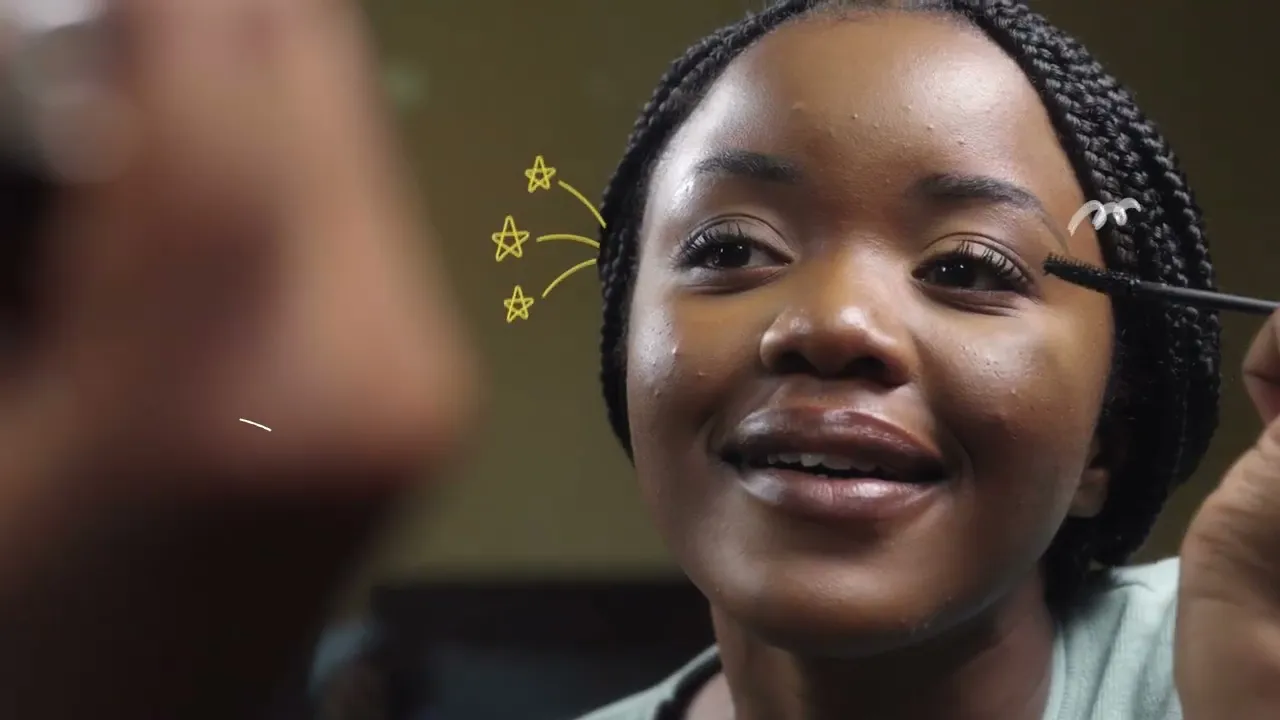
The campaign turns the five senses we all share into an accessible starting point for empathy and more open conversations about sexuality, identity and gender.

African-Inspired Patterns

The campaign’s sense icons were developed into African-inspired patterns, extending the identity into a flexible system for backgrounds, layouts and supporting graphics.
Intergenerational Dialogue

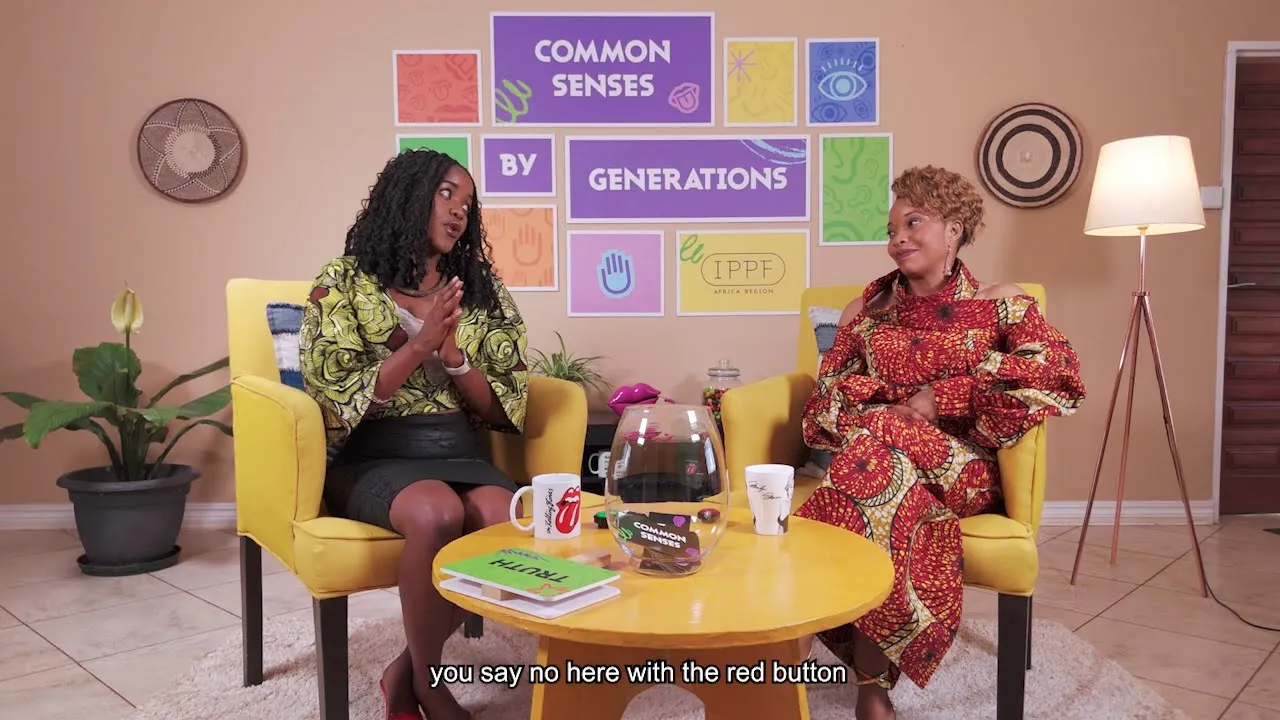
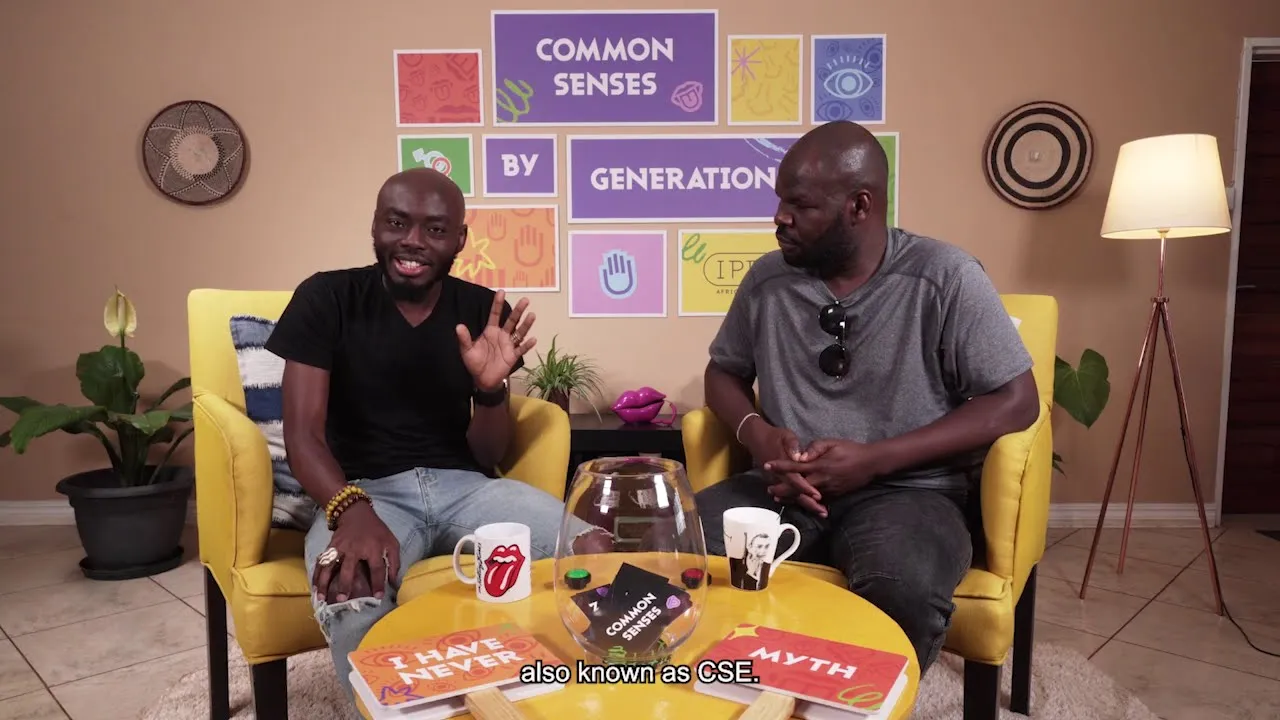
The talk-show format created space for younger and older generations to discuss gender expectations, sexuality and relationships without presenting either generation as the sole authority.
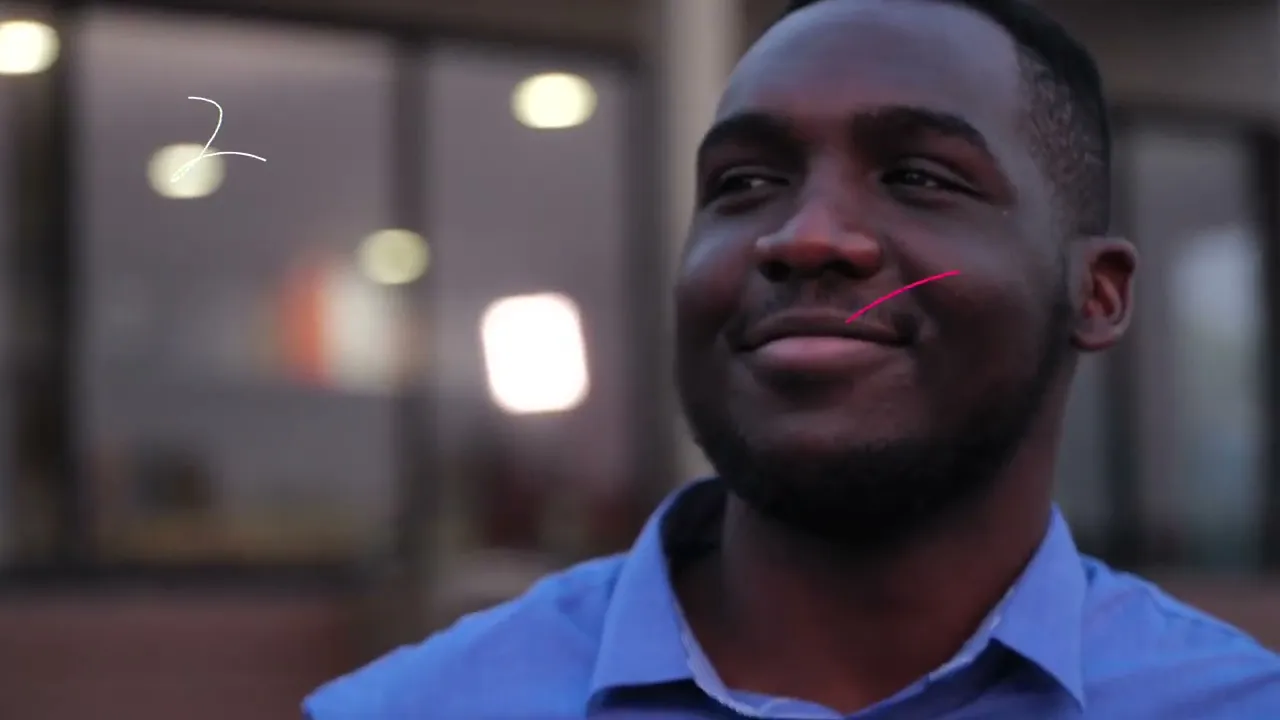
Common Sense of Belonging

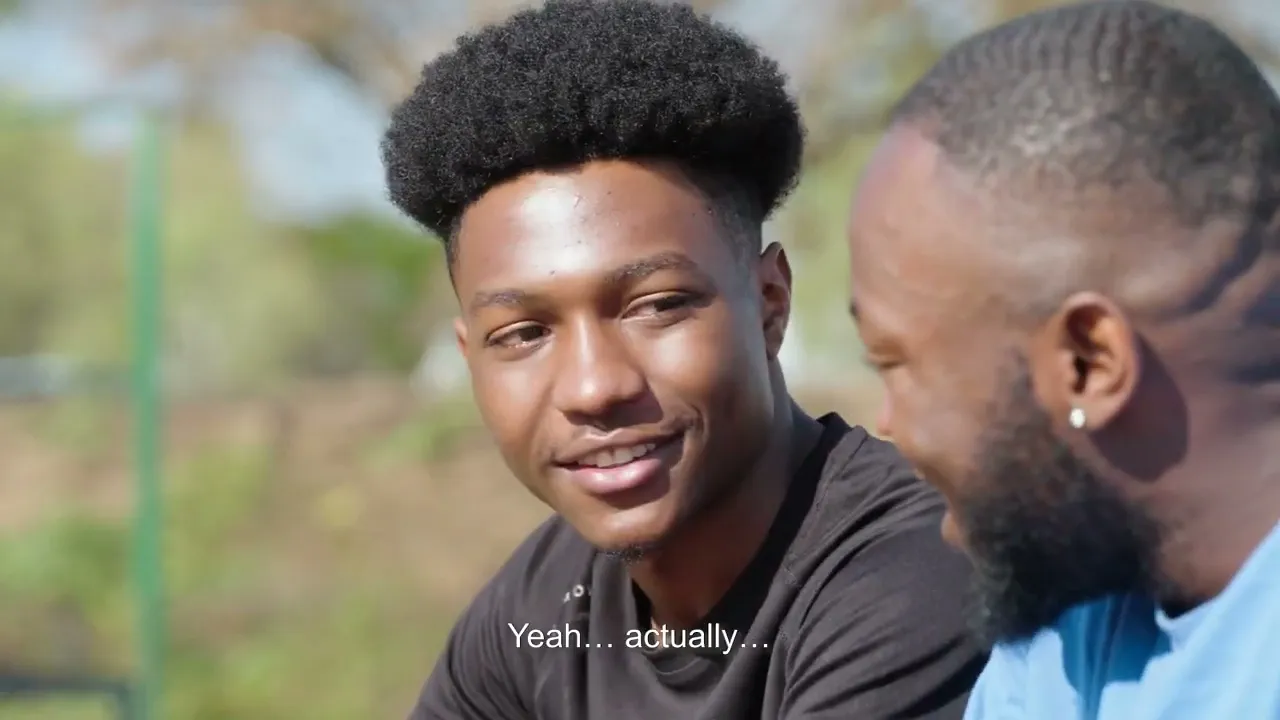
The film series expanded the campaign from the five physical senses into shared emotional needs—including belonging, passion and respect—to challenge exclusion through empathy.

03

Outcome

Outcome

The campaign expanded into a second phase focused on comprehensive sexuality education, toxic masculinity and gender roles. Common Sense of Belonging won the Grand Prize in Fine Acts’ Kindness as a Common Ground open call, while the cross-generational talk-show series was selected for the 2026 International Social and Behavior Change Communication Summit.

The campaign expanded into a second phase focused on comprehensive sexuality education, toxic masculinity and gender roles. Common Sense of Belonging won the Grand Prize in Fine Acts’ Kindness as a Common Ground open call, while the cross-generational talk-show series was selected for the 2026 International Social and Behavior Change Communication Summit.

lzipagan@gmail.comClick to copy

© 2026 Lee Anne Zipagan

lzipagan@gmail.comClick to copy

© 2026 Lee Anne Zipagan

lzipagan@gmail.comClick to copy

© 2026 Lee Anne Zipagan